According to sciencedaily.com, cases of mental illness are becoming more and more frequent in the U.S. If these disorders were already at an all time high before the pandemic, it is possible this number could nearly double, or even triple in the midst of this “new normal” we are currently dealing with. As of right now, social distancing is the only way we can fight the spread of the Covid-19 virus. Like any treatment or medication, it is likely this “new normal” of social distancing will bring about its own side effects. The question is: will these side effects be short term or long term?
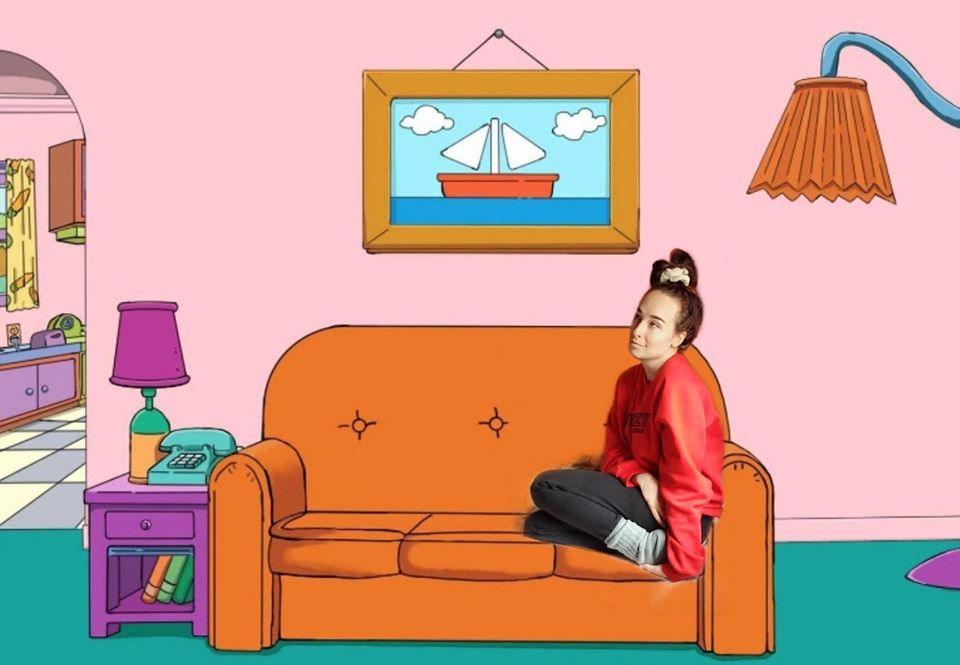
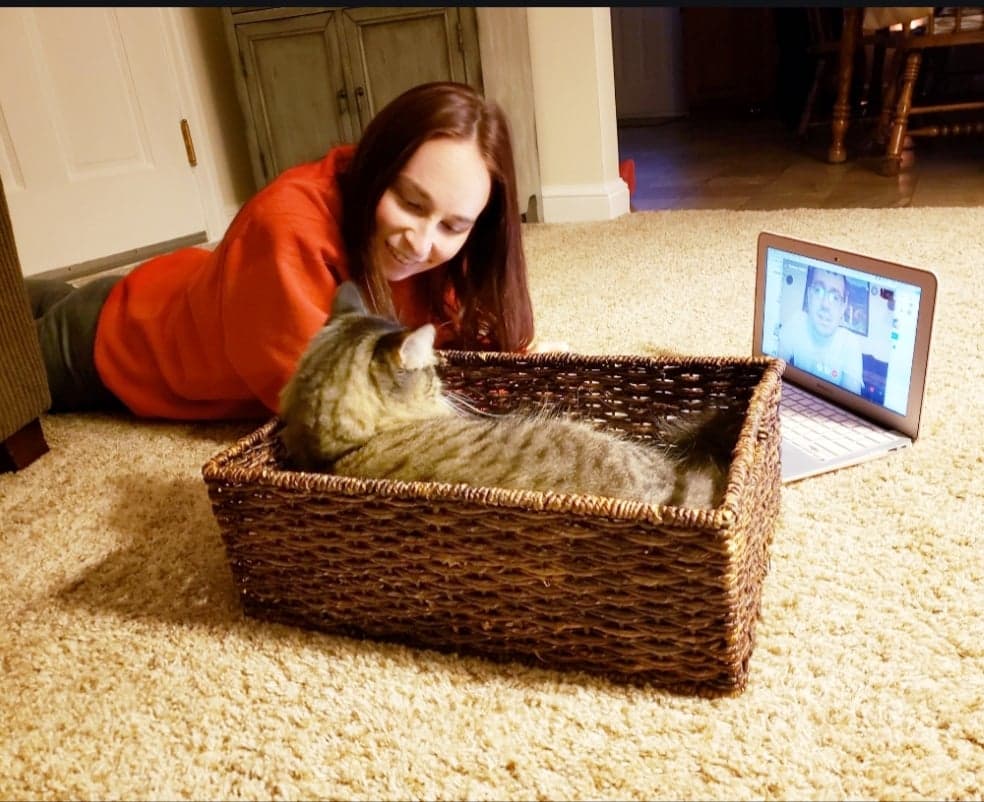
Since this pandemic seems to have no end in sight, and most governors have no intentions of re-opening their states anytime soon, it is expected this “new normal” will continue for an unprecedented amount of time. Social distancing is not ordinary human behavior and poses a lot of anxiety for many of us. When the social distancing order was first initiated it was enjoyable for many. We received a much-needed two-week break from daily hustle and bustle, heavy workloads, traffic and for some, the relief from people we’re not particularly very fond of. It granted us the opportunity to relax at home and spend time with our loved ones and allowed us to be thankful for the little things that so often go unnoticed. As time went on that quickly began to change. Nearly two months later people everywhere are tired of being cooped up and just want life to go back to normal. Many have gone months without seeing a paycheck forcing them to rely on local food banks for meals. Families are trapped inside together. People are unsure are scrambling to pay rent and mortgages. Dreams are put on hold. Suicide rates have drastically increased.
What will happen if this new way of living goes on too much longer? Is it possible that we may forget what “normal” actually is? In a way it resembles 9/11. Although I was only twelve years old when the attacks happened, I was old enough to realize the world had changed forever. I can remember a time before fear of terrorism and I can remember life without intensive security measures everywhere you went. Not to mention other life-altering anxieties that many were forced to face. Life truly was simpler and less chaotic post 9/11. Now another cultural shift is occurring as the media reports we can expect drastic changes in society. Some of these changes will likely include Plexiglas barriers in between airplane seats, restaurant tables six feet apart and sports games returning without audiences.
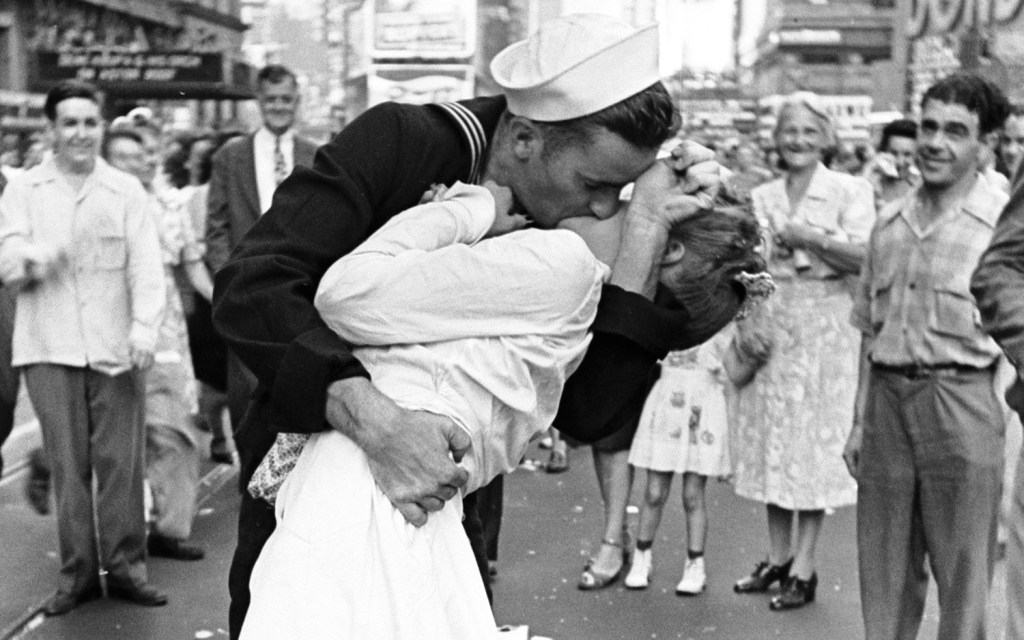
Traces of social distancing will always remain in society. The fear will always be there, in the back of our generations’ minds. Many of us will likely suffer from some sort of post-traumatic stress that will forever alter the way we live our lives, just like our grandparents who lived through The Great Depression. Traces of these new ways of thinking are already noticeable in society. There are many individuals who are now beginning to experience anxiety and concern when watching prior footage of concerts and sporting events where large groups of thousands of people are practically on top of each other. Even though this was considered daily life just two short months ago, many are already looking back in shock thinking, “Wow, look at how many people are there in the audience. Isn’t that crazy?!”
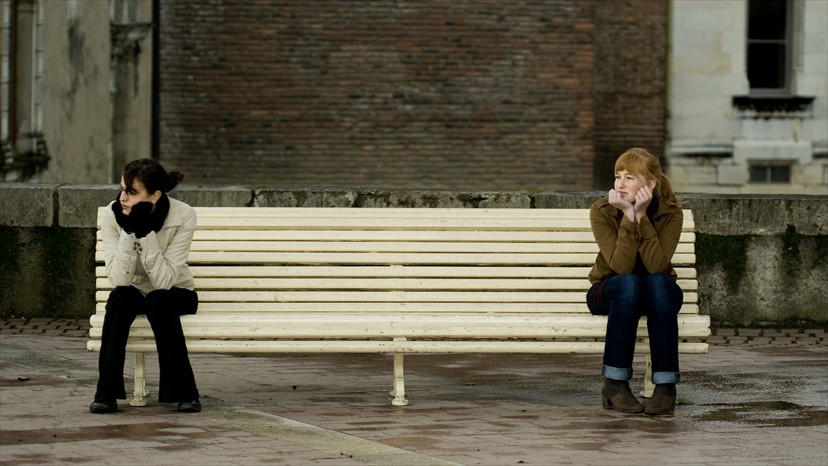
When businesses finally do reopen thousands of people will flock to them. But how are these businesses supposed to handle this overwhelming number of customers? It is difficult enough to schedule appointments at hair salons, doctors’ offices and auto garages as it is. Places such as movie theaters only have so many seats, so what will happen when they reopen? Will there be a two- week wait to see a movie? Will there be never ending lines wrapped around shopping malls? Will it take months to get a haircut? Many individuals will continue to hoard everyday items such as toilet paper, cleaners and non-perishable food items in fear they will not be able to find them when needed especially if another pandemic occurs in the near future. It all sounds so crazy, yet it is likely this may become a new reality for many.
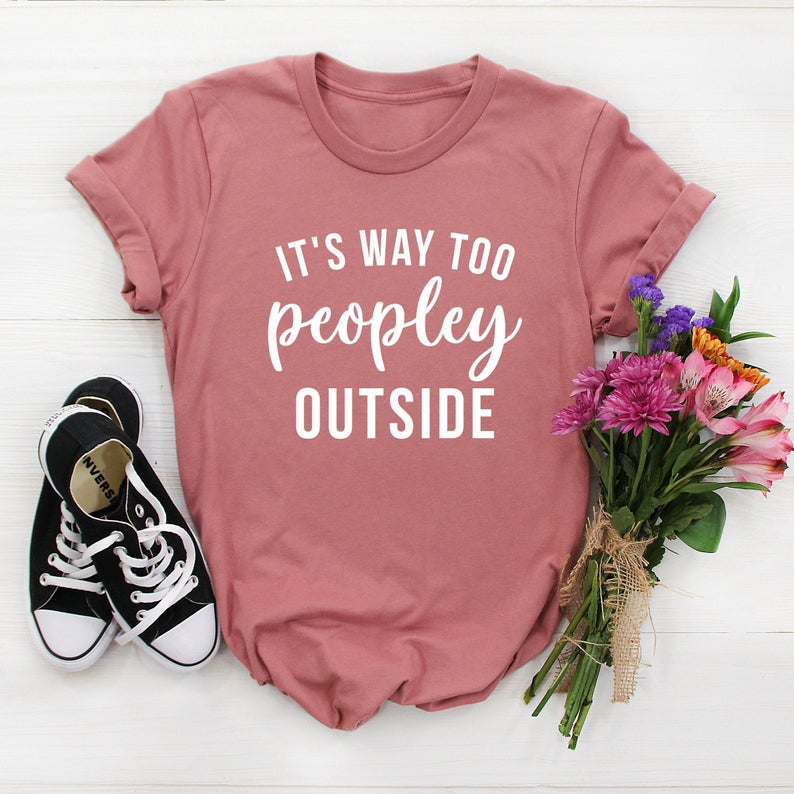
It is scary to think of how much anxiety this will add to our already stressful lives. As much as we crave the freedom to leave our homes, many will not be ready to dive back into public settings. What will this amount of stress do to our wellbeing? Will we lose touch with reality? Will we forever alter human interaction? Will depression and mental illness spiral out of control? Is it possible all of this frustration will lead to more mass killings and hatred?








 Stean's Beans